A WordPress Site

How a Pool Works

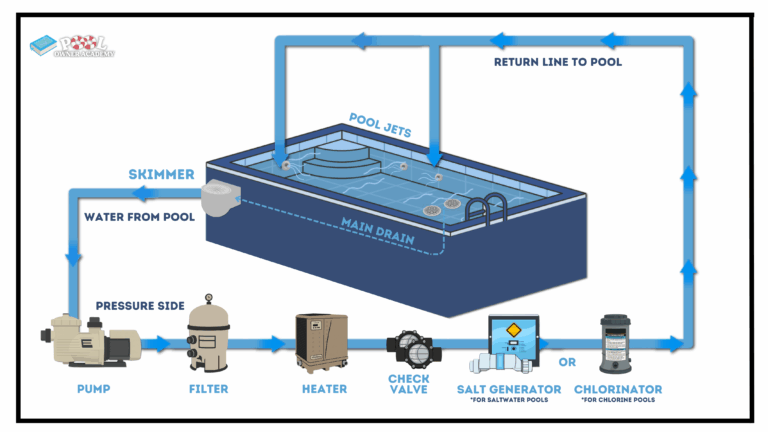
A swimming pool is a closed circulation system—water is constantly being pulled from the pool, cleaned, treated, heated (if applicable), and then sent back into the pool. Every part of your equipment pad works together to keep the water clean, safe, and comfortable.
Pool Owner

At a basic level, a pool works in a cycle:

  1. Water is drawn out of the pool through the skimmers and main drain.
  2. The pump pulls the water through the system, pushing it through the filter and any additional equipment.
  3. The filter removes dirt, debris, oils, and fine particles.
  4. Sanitizing or heating equipment treats or warms the water, depending on what you have.
  5. Clean, treated water is returned back into the pool, keeping the water circulating at all times.

This continuous movement is what keeps the pool healthy and clear. Each piece of equipment plays a specific role in the cycle—and when you understand what each component does, owning a pool becomes much easier and far less overwhelming.

Pump

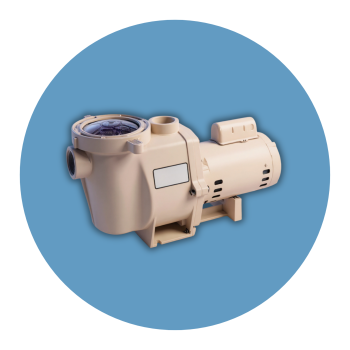
The pump is the heart of your swimming pool system.
Its job is to pull water from the pool (through skimmers and drains), push it through the filter and any other equipment, and send it back to the pool through the return jets.

Why it matters:

  • Without circulation, the water becomes stagnant, cloudy, and unsafe.
  • Your pump keeps water moving, which helps distribute chemicals evenly and prevents algae growth.
  • Modern variable-speed pumps allow for quieter, more energy-efficient operation.
  •  Running your pump long enough each day—and at the right speed—is critical for keeping your water clean.
Filter Pump

Filter

The filter is the kidneys of your pool system.
It removes the dirt, debris, fine particles, sunscreen oils, dust, and anything else that circulates through the water.

Common filter types:

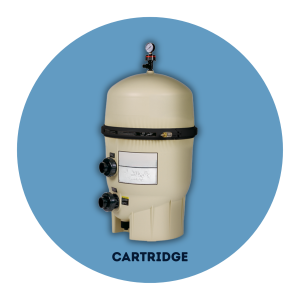
  • Cartridge Filters: Easy to maintain, no backwashing required.
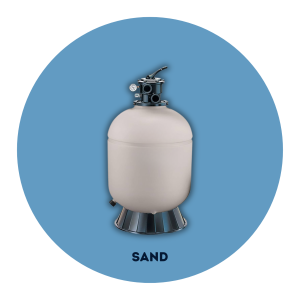
  • Sand Filters: Durable and simple, requires periodic backwashing.
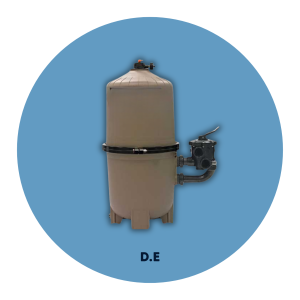
  • DE Filters: Provide the finest level of filtration, require more maintenance.

Why it matters:
Your filter physically cleans the water, while chlorine sanitizes it. Clear water depends on both working properly.

Cartridge Filter
Sand Filter
D.E Filter

Drains & Skimmers

These are the collection points where water leaves the pool and begins its journey through the system.

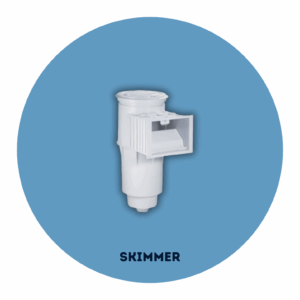
Skimmers

Located at the waterline to pull in floating debris, such as leaves, pollen, hair, and insects.
Skimmer baskets catch larger debris before it reaches your pump.

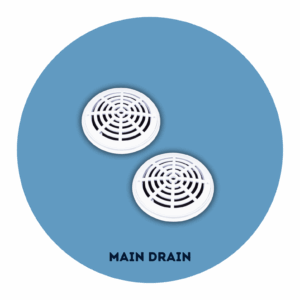
Main Drain (or Safety Drain)

Located at the deepest part of the pool, it helps remove heavier debris, improves circulation, and moves water from the bottom of the pool.

Why they matter:
Efficient skimmers and drains ensure your pump never struggles and that debris doesn’t clog or damage equipment.

Returns

Returns (also called return jets) are where the clean, filtered water re-enters the pool.

Why they matter:

  • They help circulate chemical treatments throughout the water.
  • Strategically angled returns improve overall water movement and prevent “dead spots” where algae can grow.
  • Strong return flow indicates healthy pump performance.
Returns

Vacuum Line (If Applicable)

Some pools have a dedicated vacuum line, while others rely on skimming or robotic vacuums.

What it does:
A vacuum line allows manual vacuums or suction-side cleaners to connect directly to your pool system. The pump then uses suction to remove dirt from the bottom and sides of the pool.

Why it matters:
If you use a suction cleaner or don’t have a robotic vacuum, this line is essential for debris removal.

Optional Pool Equipment

Pool Heater (Gas, Electric, or Heat Pump)

A heater keeps your water comfortable during cooler days or extends your swim season.

Types:

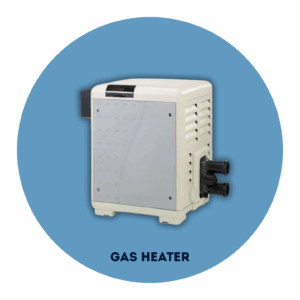
  • Gas Heaters: Fast heating, best for spot-use or spas.
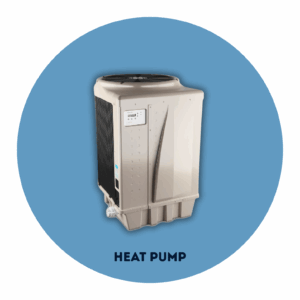
  • Electric Heat Pumps: More energy-efficient, ideal for maintaining consistent temperature.
  • Solar Heaters: Use roof-mounted solar panels to warm water.

Why it matters:
Heaters make your pool more usable year-round without relying on warm weather.

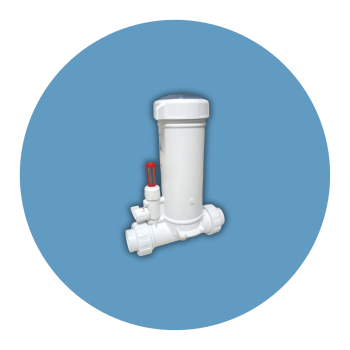
In-Line Chlorinator

This device slowly feeds chlorine into your water as it circulates through the system. You simply load chlorine tablets inside the canister.

Benefits:

  • Maintains steady chlorine levels
  • Minimal hands-on work
  • Keeps tablets out of your skimmer (which can damage equipment)

Why it matters:
It provides consistent sanitization and simplifies weekly maintenance.

Inline Chlorinator

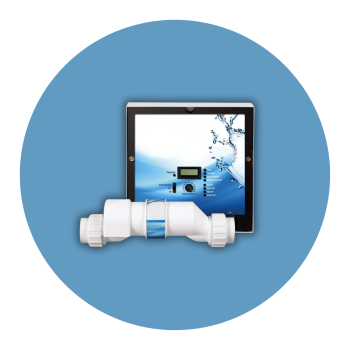
Saltwater Chlorine Generator (Salt System)

Saltwater pools are still chlorine pools—they just create chlorine automatically instead of relying on tablets or liquid chlorine.

How it works:

Salt dissolved in the pool water passes through the salt cell, where electricity converts it into chlorine.

Benefits:

  • Softer-feeling water
  • More stable chlorine levels
  • Less “chlorine smell”
  • Lower long-term chemical costs

Important:
Salt levels must be kept within the correct range to avoid system errors or scaling.

Salwater Chlorine Generator

Want step-by-step help understanding your pool gear and optimizing it?